

If you’ve been following me on Instagram, or browsed the adaptogen aisle in your local health store, you’re likely to have spotted shilajit – a dark, resin-like substance harvested high in Asian mountain ranges and used for centuries in Ayurvedic medicine.
The Sanskrit word translates to ‘conqueror of mountains and destroyer of weakness’, a bold claim for a bit of rock-sap. So, what’s the score?
What even is shilajit?
Shilajit forms in the crevices of high-altitude rocks as plant material slowly decomposes and combines with mineral-rich sediments over hundreds, if not thousands, of years. It contains fulvic and humic acids plus trace minerals, providing electrolytes that help explain its traditional use as a revitalising tonic.
Claimed to be the magical elixir that powers Sherpas’ stamina as they trek up and down the Himalayas, these small glass jars of sticky black goo have found favour in the Western world, with thought-leaders from Oprah Winfrey to Gwyneth Paltrow self-confessed fans.
So, is this a wellness trend we can dive into? If you do, note this: modern analysis shows the composition of shilajit can vary widely depending on source and processing. Provenance and testing is everything.
What scientists are saying
Some small human and animal studies have indeed revealed benefits: improved mitochondrial energy production; antioxidant and anti-inflammatory effects; even early data on cognitive support. For example, the fulvic acid in shilajit may block aggregation of tau-protein (important in Alzheimer’s disease research) and support cellular energy systems. However, most trials are small and short-term.
Tempted to try it? Read this first
Think of shilajit as an interesting possibility, not a panacea. And if you do sample it:
- Only use products from reputable brands offering third-party testing for purity and heavy-metal contamination (see my picks below).
- Keep your expectations realistic: more energy, maybe a clearer mind, but it is not a substitute for sleep, exercise, nutrient-rich diet and circadian optimisation.
- As always, if you’re already managing a health condition, run it by your practitioner first.
Shilajit in a nutshell
Shilajit is compelling from a historical and biochemical standpoint – rich in trace minerals, fulvic acid and resonating with the newer mitochondrial, bio-energetic themes of healthy ageing. But the science is scanty.
Perhaps the best way to test is to try and see for yourself. I often talk about ‘me-search’ alongside research, so you could melt a small pea-sized amount in your morning brew and see how you feel. But be warned, the good stuff if not cheap.
For me, shilajit’s earthy taste and energy boost has become healthily addictive.
The best shilajit supplements, loved by Liz
Kiki Health
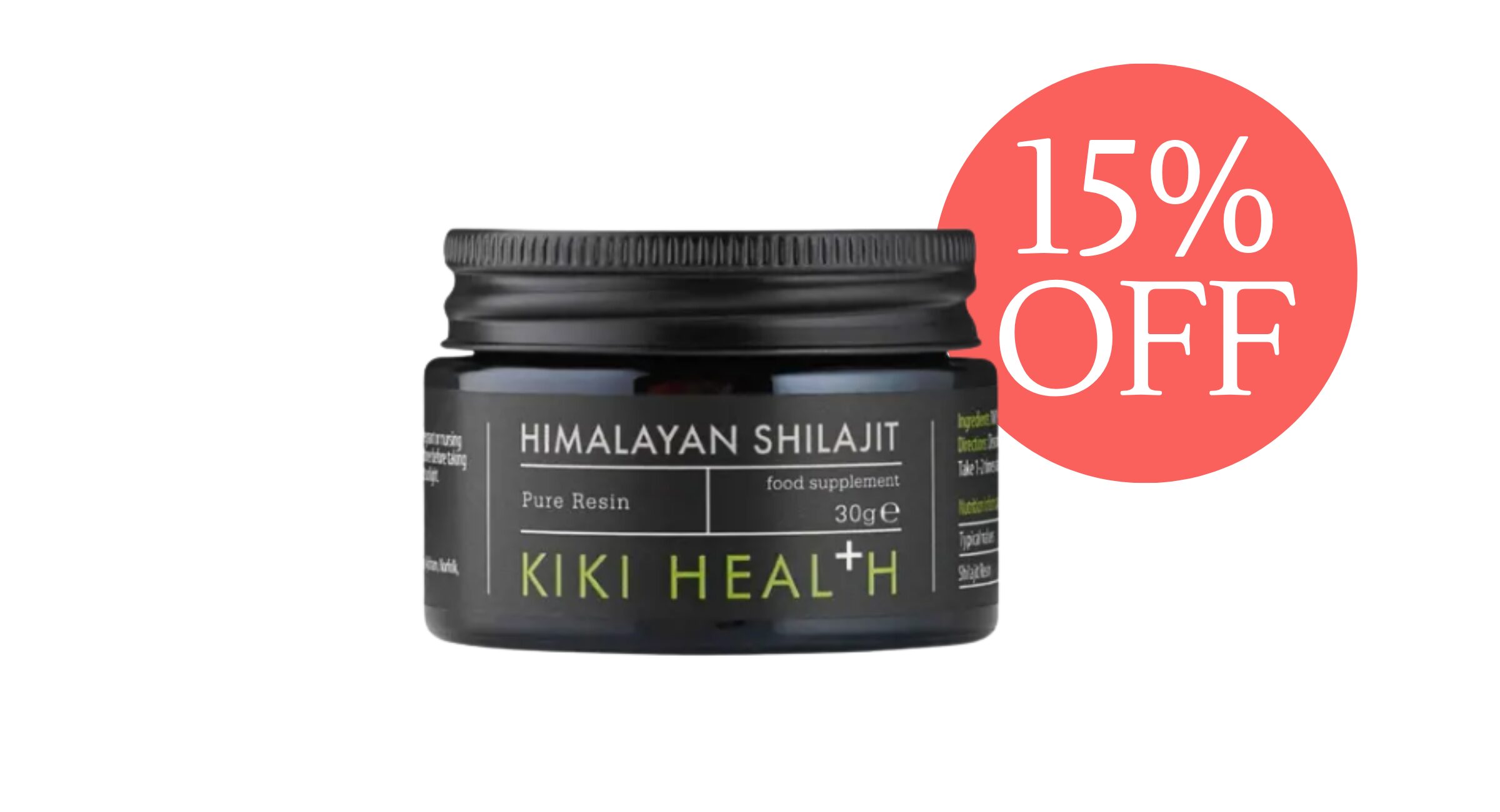
With 85 trace minerals in each serving, this supplement from Kiki Health is expertly purified for exceptional quality. Follow this link for 15% off.
Cymbiotika
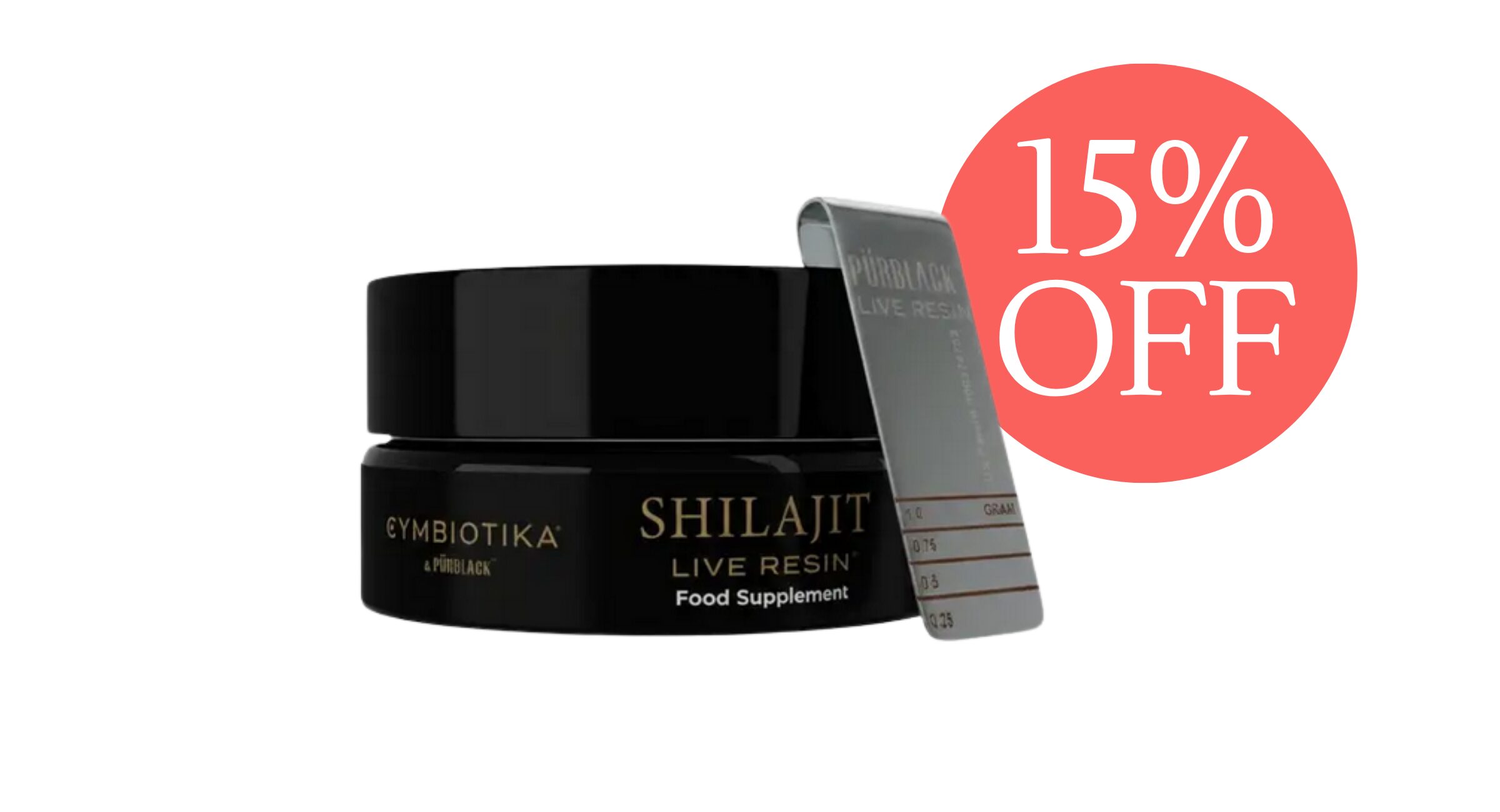
Each jar contains pure live raw shilajit, enriched with elemental gold and silver, offering a broad spectrum of naturally occurring minerals. Save 15% through this link.
Based
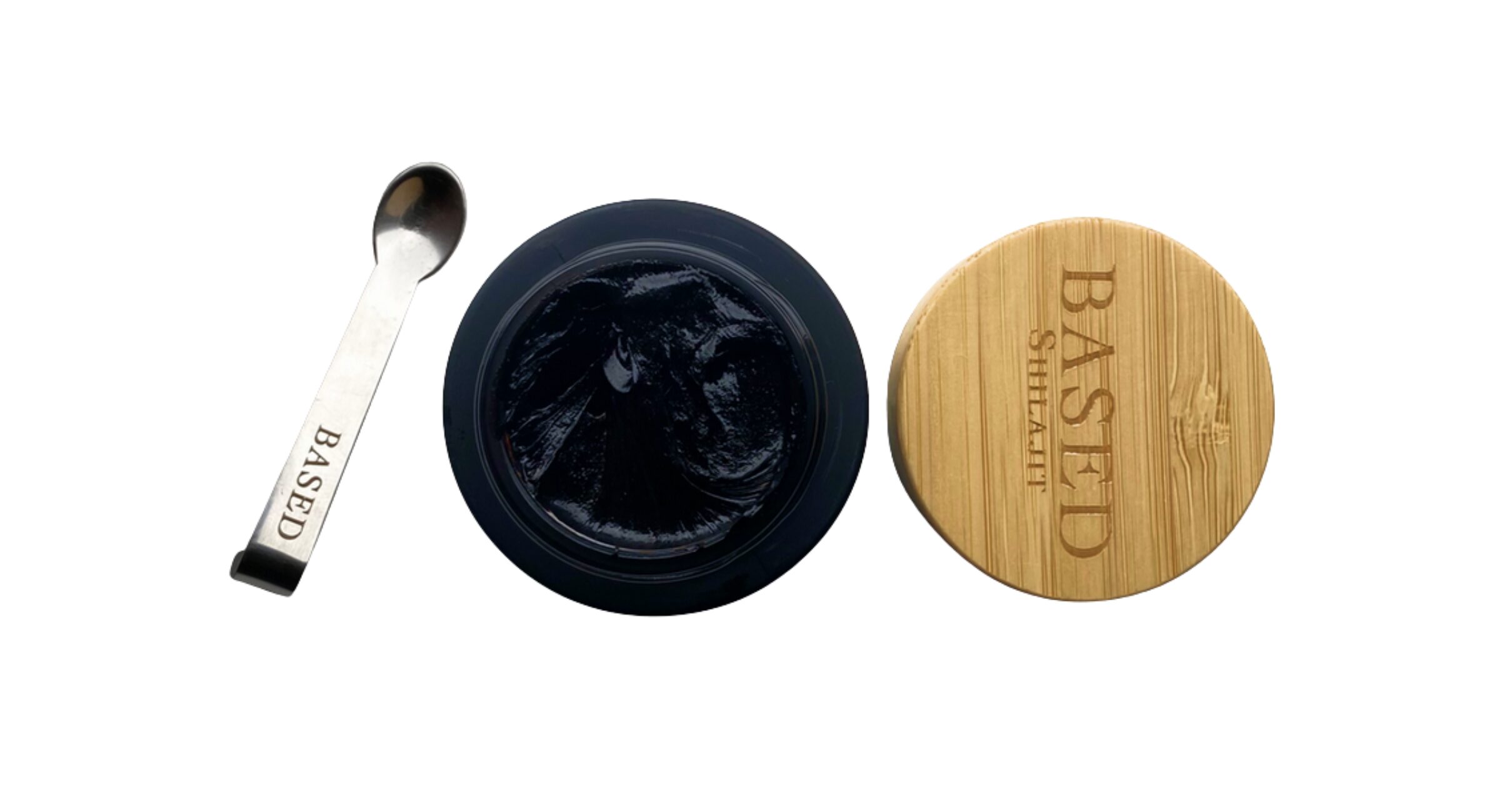
Dissolve a pea sized amount of this supplement in your coffee to add an easy boost to your day.
Susie Who
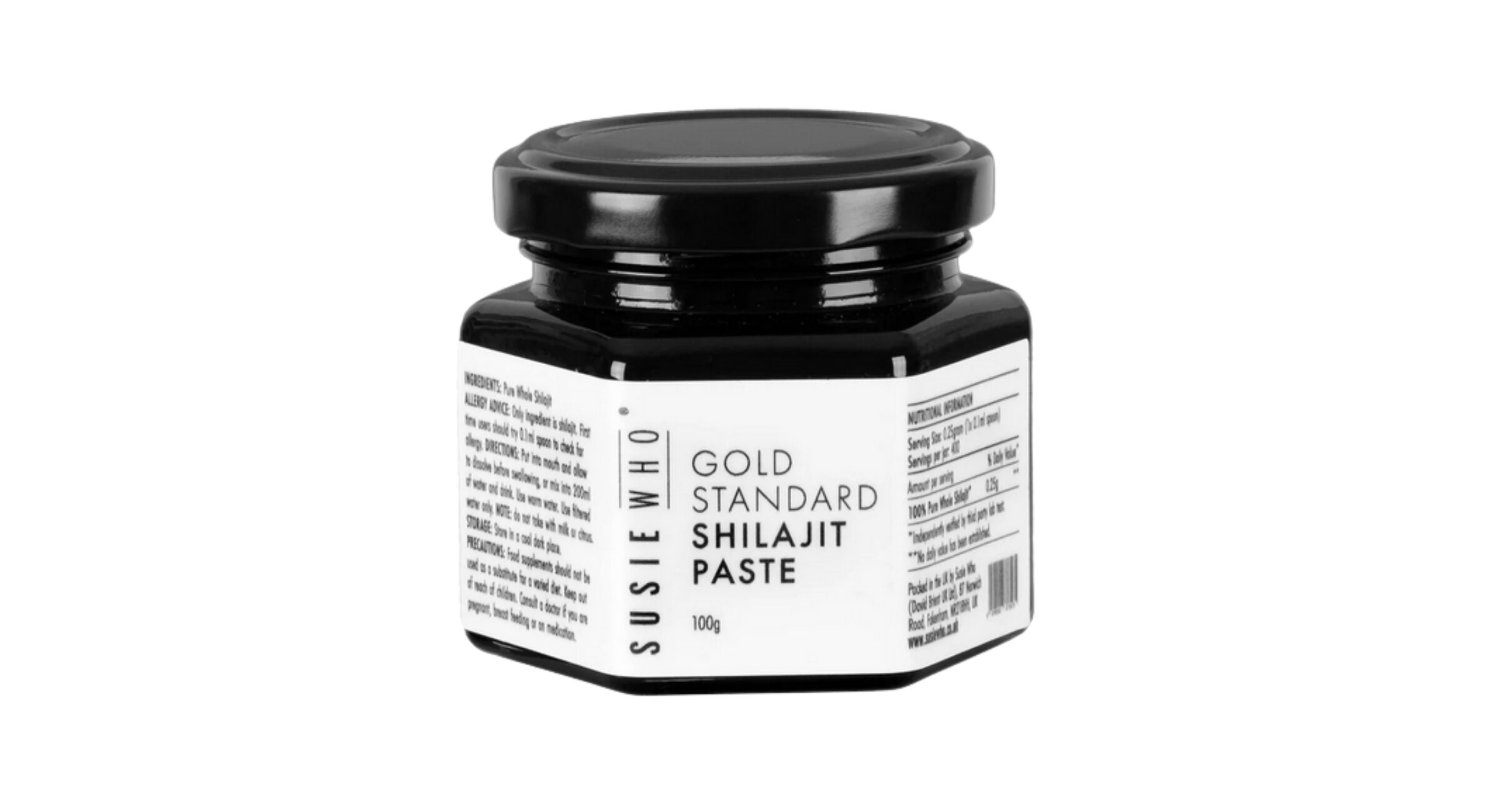
Susie Who’s shilajit undergoes rigorous testing for authenticity and safety, ensuring it contains no dangerous levels of heavy metals or microorganisms.
Please note, on some occasions, we earn revenue if you click the links and buy the products, but we never allow this to bias our coverage and always honestly review. For more information please read our Affiliate Policy.